Permanent wall
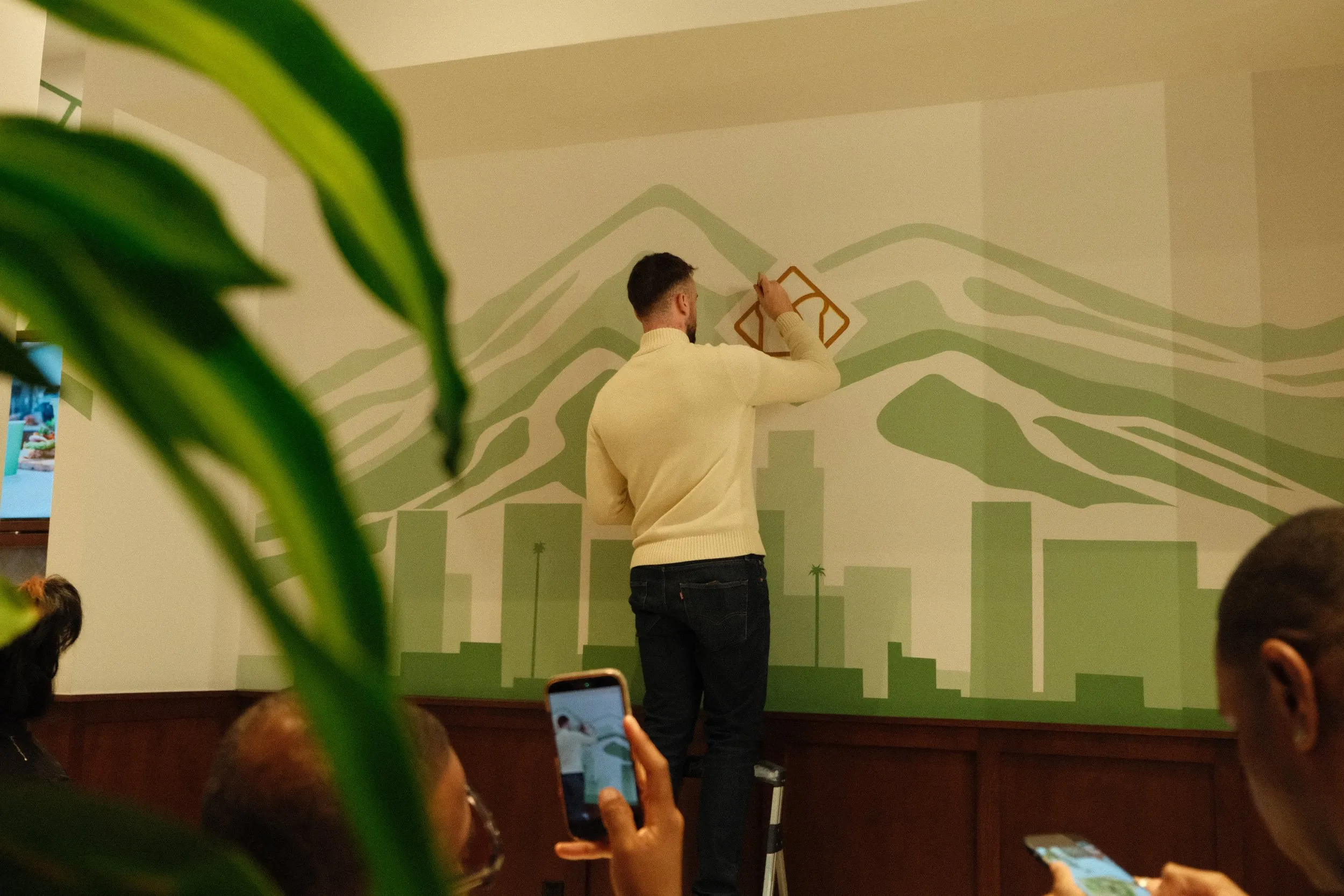
Painted live at an opening and left in place. Best when the venue is your own space.
Live painting
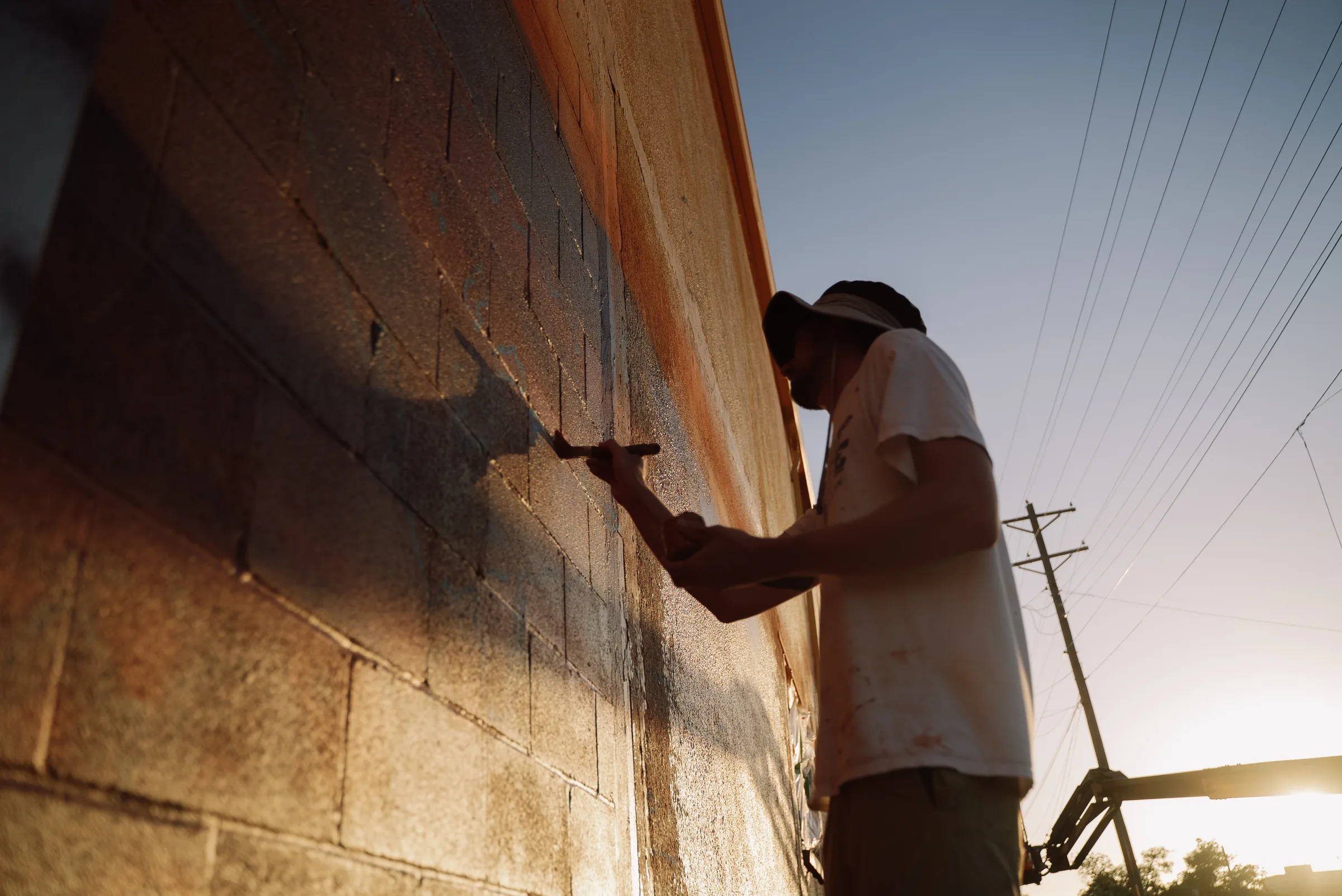
Live mural painting at activations, launches, conferences and sponsor camps. Guests watch the work happen, the content builds itself, and the finished piece stays with the brand.
Why it works
A live piece does three things at once.
It draws people in during the event, because the work is unfinished and they come back to see how far it has moved. It generates content, because every stage is something a guest can photograph. And it leaves a physical piece behind, along with the footage captured while it was made.
That last part is the difference from most event entertainment. A set ends and a photo booth prints. A painted panel goes back to the office, the showroom or the next activation, and the content it produced keeps circulating.
Recent live work includes Optima Batteries inside their camp at King of the Hammers, the Bonfire Ventures afterparty during the Upfront Summit, and the Toastique opening in Downtown Los Angeles, finished live on the night.
The format follows the venue, not the other way around.
Painted live at an opening and left in place. Best when the venue is your own space.
Painted on site then moved to an office, a showroom or the next activation. The answer for hired venues and trade shows.
Built to be photographed, sized to the step and repeat or the stage.
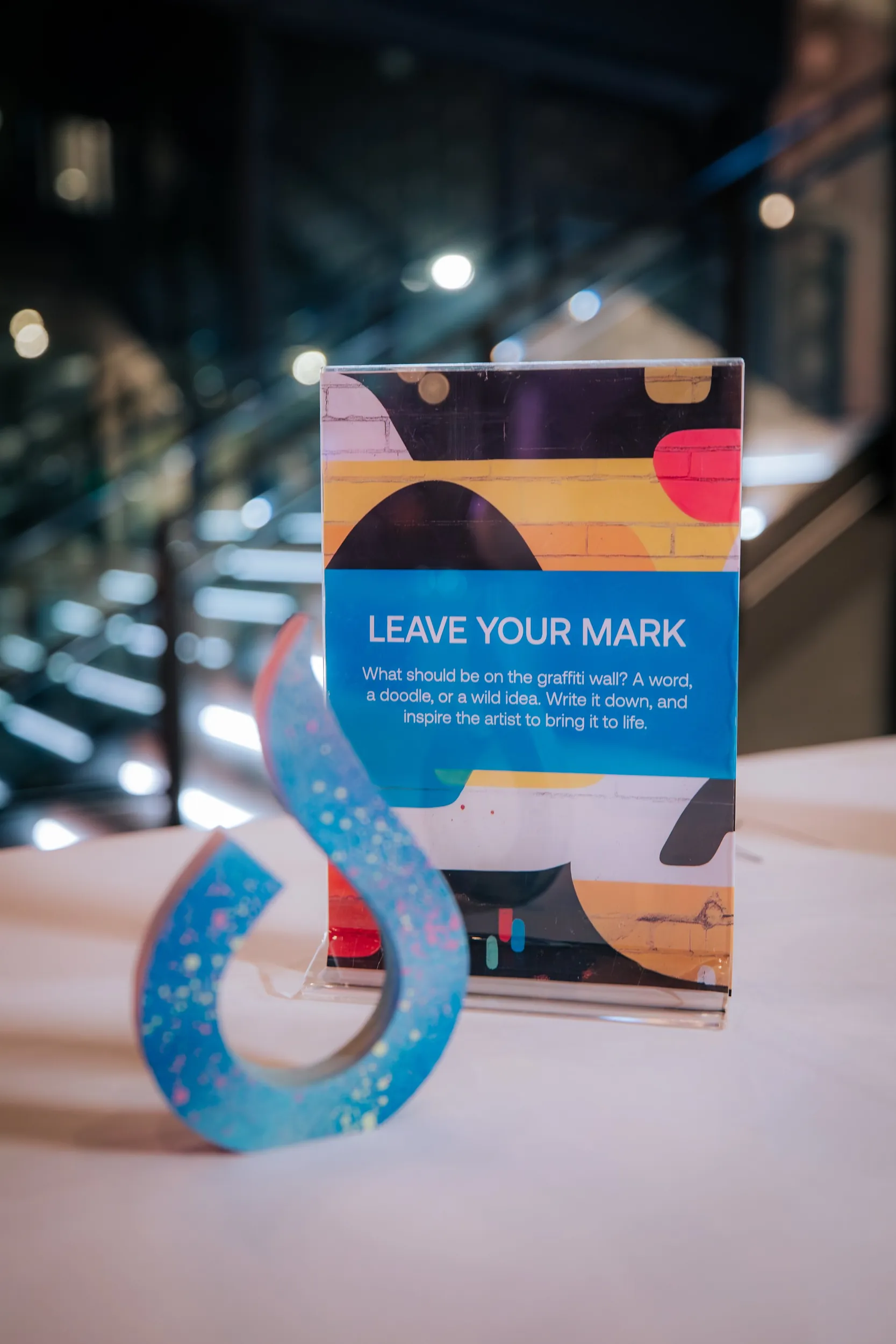
A second surface where guests add their own marks alongside the artist. Works especially well for team events.
The process is the content. Most clients film the full painting for a reel.
For a large room or a long night, more than one painter working at once.
What we need
Less than people expect.
A wall or panel position with working clearance in front, decent light, and somewhere guests can watch from without standing in the paint. Power if the event runs into the evening. We bring materials, protection and cleanup.
The piece is designed to finish inside the event window, whether that is a three hour party or a full weekend. Longer windows allow more detail. Short windows favor bold work that reads from across the room at every stage.
Design takes one to two weeks including revisions, so two to four weeks ahead of the date is comfortable. Shorter is sometimes possible, so ask.
Give us the date, the venue and the audience, and we will tell you what fits.